
One of the biggest factors behind maintaining turbines is ensuring you are investing in proper planning and developing strategies such as maintenance programs that will offer you peace of mind. These maintenance areas for auxiliary components from turbines can be divided into preventive maintenance, deficient maintenance and corrective maintenance.
Preventive maintenance is a reliability-centered, planned and program-based situation that you should conduct occasionally. You can detect failures and issues through risk mitigation and implement them through inspection and proactive replacements. You should check here to learn more about turbines.
On the other hand, deficient maintenance includes a failure avoidance-based program. Repair deficiencies and needs that are specifically identified and remedied based on the problems that may happen. Finally, a reactive, or failure-based program and approach is corrective maintenance.
It means you experience component failure with collateral issues, which may lead to forced outage or any other system problem that will affect your downtime.
Since turbines are revenue-generating equipment, it is crucial to implement a reliable maintenance program to predict potential failures through a series of assessments and inspections that you can set as part of the preventive maintenance program.
Besides, you should prioritize proactively replacing defective and aging components to deal with outage risks. The main idea is to minimize the size of the corrective maintenance program and prevent reactivity, meaning you can save money in the end.
Maintenance Inspections
We are talking about a thorough scope of inspections, diagnostics, and assessments that will allow you to ensure data-driven analysis and a collaborative approach to gas turbine equipment and auxiliary parts. The performance of a facility directly affects your bottom line, meaning you will ensure the asset management and financial perspective.
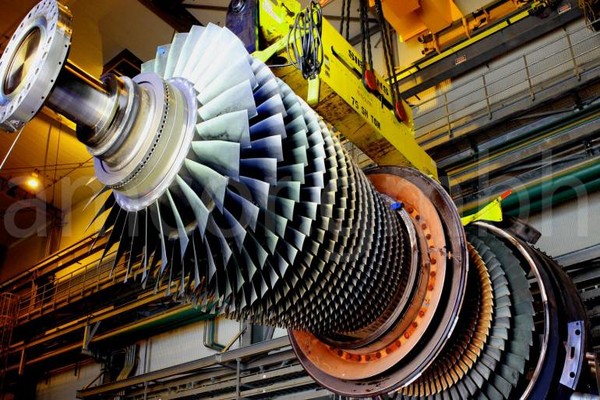
You should be aware of the health parameters of your tools and equipment, where they are underperforming, and how to improve efficiency, which will help you prevent downtime. The overall goal is to address them based on inspection results by minimizing downtime and potential outage, which should not happen especially in the power generation industry.
Combustion Section Inspection
The main controlling aspect that determines the service life of a gas turbine engine is the state of the hot section. We are talking about the cleaning and inspection of the hot section that creates combustion, which features liners and cans, fuel nozzle assemblies, end caps, transition pieces and crossfire tubes.
For instance, the external combustion casing should undergo a thorough inspection for evidence of exhaust hotspots, leaks and distortions before you can disassemble the casing. After opening a combustion casing, you should inspect everything for the evidence of localized erosion and overheating, including excessive wear and tear as well as cracks.
You should learn more about GE 7FA Turbines maintenance, which will help you, reach the desired goals.
Generally, the inspection includes checking out combustion chamber outlet ducts, turbine fuel nozzles for blockages, covers, pits, cracks, and corrosion apart from the inspection of the first stage nozzle guide vanes and turbine blades for cracks, warping, and other issues such as foreign object damage.
At the same time, in applications with high levels of chemicals and salt, a comprehensive turbine rinse is a recommended approach to detect problems and deal with issues. If you wish to take a small step further, you can clean everything with chlorinated solvent, which will allow you to ensure the parts are left dry.
For instance, if two cracks are progressing, we are talking about the sign you should immediately repair the combustion chamber or conduct a thorough replacement depending on the scope and size.
Hot Gas Path
Another important consideration is that most condition and surveillance monitoring of intensive components of a gas turbine engine include the ones that are continually exposed to high-temperature gases that you can discharge from the hot combustion section.
Generally, the entire scope of a hot gas path inspection includes the combustion system components and detailed inspection of turbine nozzles such as buckets, blades, shrouds, and cross-fire tubes as well as the turbine casing and nozzle sets.
Borescope
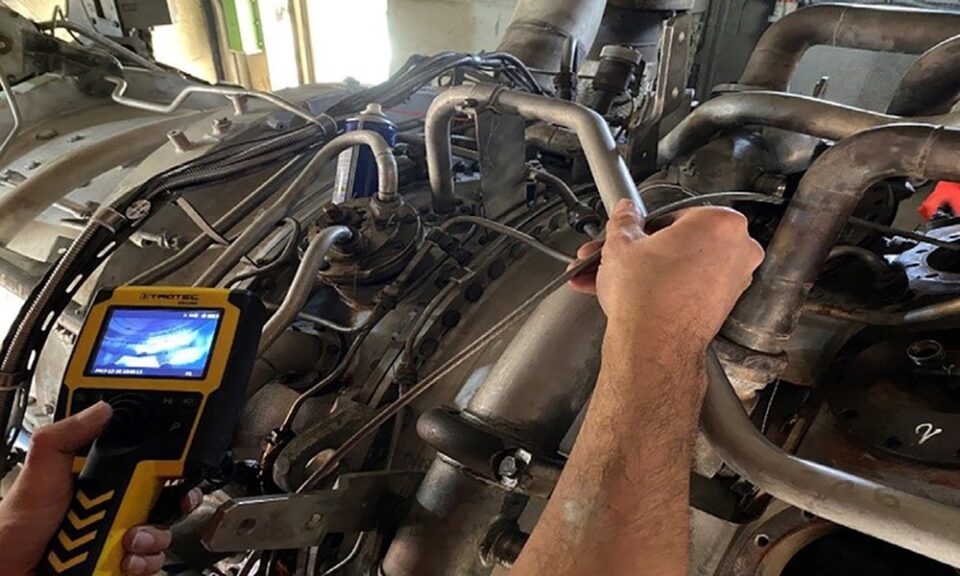
Another important consideration is borescope inspection, which offers an economical way to visually inspect the narrow and innermost parts of the turbine, such as impeller blades, rotor, or gas path. These areas are almost impossible to reach physically without assistance or equipment.
Of course, you can use intrusive equipment disassembly, which in most cases ends up requiring a plant outage and extensive system, because you must remove the entire casing. You should know that borescopes could have both flexible and rigid cable options depending on your preferences.
Watch this video: https://www.dailymotion.com/video/x2golb8 to learn more about this particular topic. At the same time, you may get an optical and lighting system, as well as an eyepiece or digital screen to check the pathway.
Borescopes are available in different sizes, which can be as long as thirty feet, meaning you will get long enough coverage for significant inspections. You can articulate and use flexible video borescopes to conduct required inspections, eliminate resource impact, labor, maintenance expenses, and rigging, which would require disassembly.
