
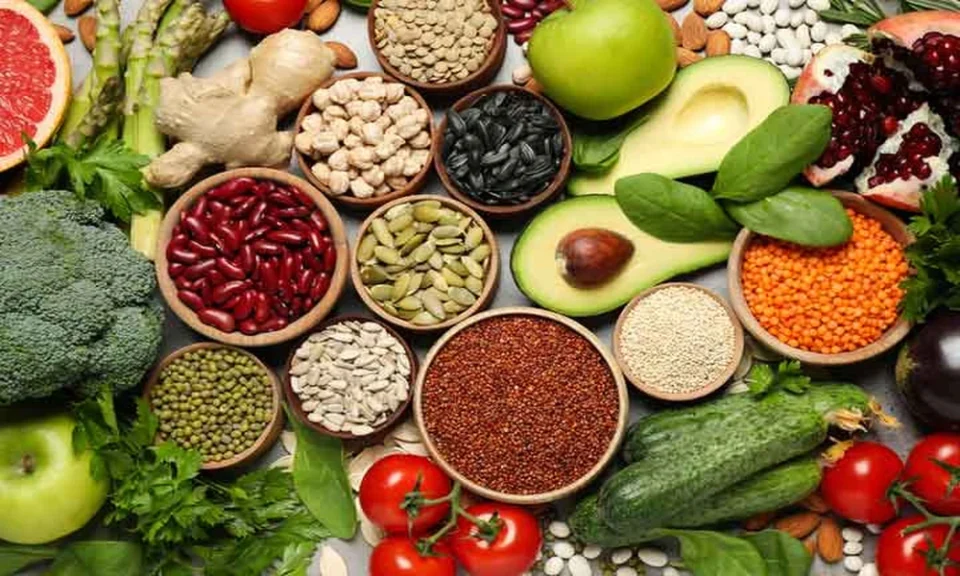
Everyday purchases can reflect personal values through thoughtful selection of household essentials. Organic products offer additional options for shoppers who care about farming methods and ingredient sources. Clear labels help people understand production standards before making purchasing decisions. Comparing available choices also helps households manage spending according to their needs. A suitable organic food subscription bangkok can support regular grocery planning.
Understanding Product Labels
Product labels help shoppers learn about growing practices and production details before buying. Certification marks provide information about recognised standards followed during cultivation. Ingredient lists explain what packaged goods contain, while sourcing details identify their origins. Reading these details makes it easier to select items that match personal preferences. Clear information also supports better decisions during routine shopping.
- Certification marks identify products meeting recognised production standards.
- Ingredient lists explain the contents of packaged goods.
- Sourcing details help buyers understand product origins.
- Packaging information describes materials used for product storage.
- Production notes outline farming practices followed by suppliers.
Exploring Everyday Essentials
Households can find organic options across several grocery categories that suit daily requirements. Fresh items and pantry essentials offer different choices for regular household use. Each category serves a specific purpose within everyday routines. Comparing available quantities helps families plan purchases according to their needs. A balanced selection also supports better spending decisions.
Comparing Responsible Production
Production methods influence how goods are cultivated and prepared for sale. Shoppers interested in responsible sourcing can examine information about farming practices. Selecting organic products may support growing methods that restrict certain synthetic pesticides and fertilisers. Supplier details also help buyers understand where their purchases originate. These comparisons encourage informed decisions that reflect personal priorities.
- Farming details explain methods used during cultivation.
- Supplier records identify businesses involved in product sourcing.
- Certification information supports recognised production standard claims.
- Packaging choices can reflect efforts to reduce unnecessary waste.
- Product descriptions provide details about ingredients and preparation.
Planning Regular Grocery Purchases
A planned shopping routine helps households balance quality preferences with available budgets. Preparing a list before shopping makes it easier to prioritise essential items. Subscription options may suit people who prefer scheduled deliveries for frequently purchased goods. An organic food subscription bangkok can help customers organise recurring orders around household needs. Reviewing quantities regularly keeps purchasing plans aligned with actual use.
Making Thoughtful Buying Decisions
Conscious purchasing becomes easier when shoppers understand their priorities and compare available options carefully. Reading product details encourages greater awareness of sourcing practices. Selecting suitable quantities also supports efficient household management. Organic alternatives offer additional choices for people seeking products that follow specific farming standards. Consistent planning helps families develop purchasing habits that reflect their values while managing everyday expenses.
FAQ
What makes organic products different from conventional grocery goods?
They follow specific production standards governing farming methods and permitted substances.
How can shoppers identify certified organic grocery products?
Check recognised certification marks and read the product label carefully.
Can subscription options help organise regular grocery purchases?
Yes, scheduled orders can simplify planning for frequently needed household essentials.
